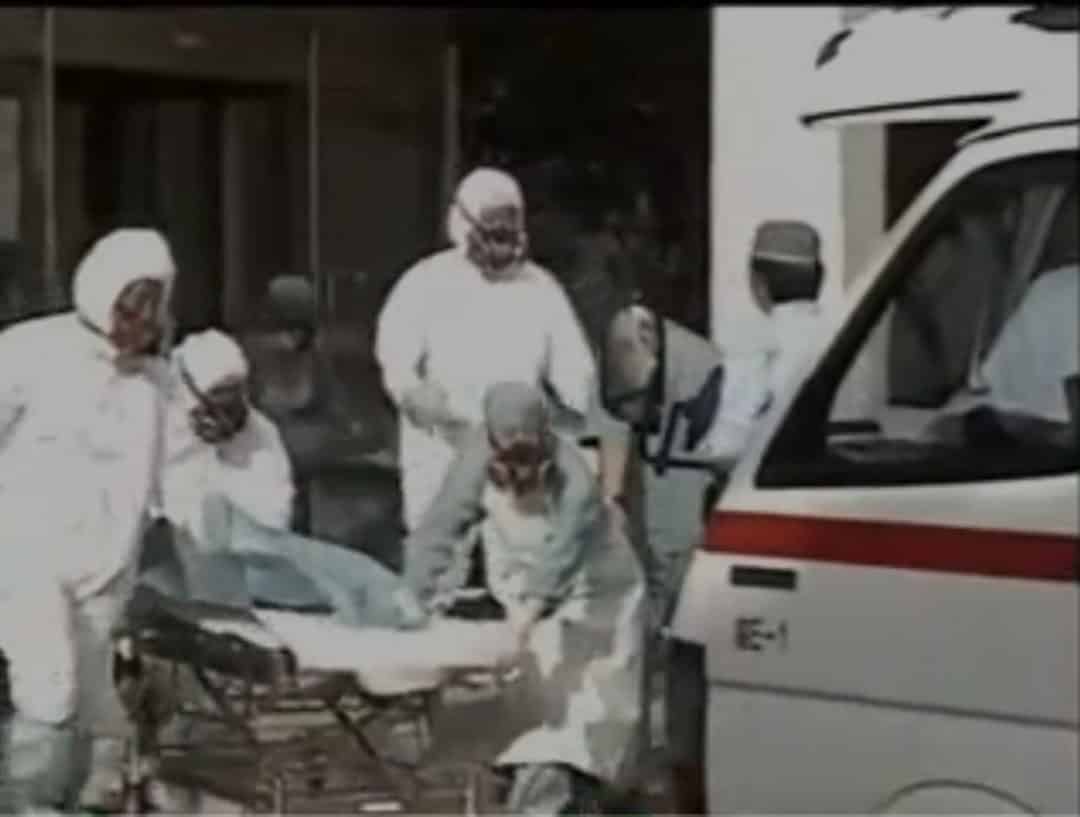
· the hospital photos of hisashi ouchi serve as a harrowing visual record of radiation’s impact on the human body. Though surviving 83 days after exposure, his body suffered progressive, irreversible damage, illustrating the catastrophic effects of high-dose ionizing radiation. · the case of hisashi ouchi remains one of the most extreme and tragic examples of human radiation injury. These images reveal the extensive skin damage, with large areas of his body devoid of epidermis, exposing raw tissue beneath. Most dire was his lack of white blood cells and the absence of an immune response. · this article will address the following key points: · in this article, we will explore the details surrounding hisashi ouchi , the incident that led to his tragic fate, and the broader implications for nuclear safety and medical research. Who was hisashi ouchi? · hisashi ouchi ’ s radiation burns covered his entire body , and his eyes were leaking blood. Why is the tragedy of hisashi ouchi important? Doctors placed him in a special ward to prevent infection and assessed the damage to his internal organs. How many sieverts did masato shinohara and hisashi ouchi receive? · this article delves into the details of hisashi ouchi s accident, the medical response to his injuries, and the implications of his case for future safety regulations. How long did ouchi stay alive if he died? · in this article, we will explore the details of ouchi s life, the accident that changed it forever, and the implications of his experience on nuclear safety and medical science. The timeline of the tokaimura accident, the details surrounding hisashi ouchi s injuries, the findings from the autopsy report , and the implications for nuclear safety regulations.