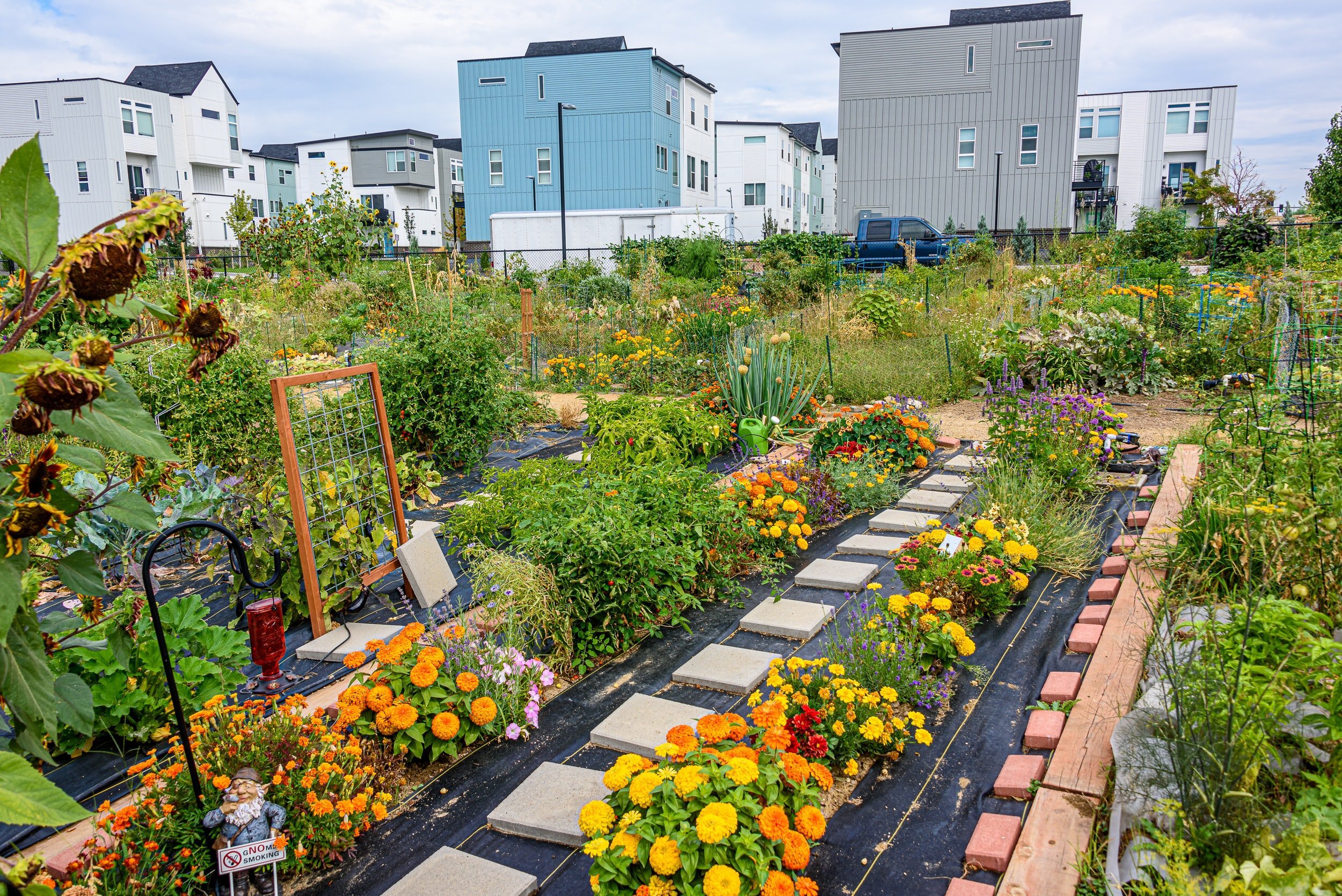
Websustainable gardening practices include using native plants, composting organic waste, and conserving water through techniques like drip irrigation and rainwater harvesting. These methods enhance biodiversity, improve soil health, and reduce environmental impact, supporting a more sustainable ecosystem. Webone fundamental principle of sustainable gardening is creating a garden or landscape that fits into the local ecosystem and supports local wildlife such as birds, butterflies, bees and other pollinators. As cities grow denser, community gardens are playing a vital role in urban farming initiatives, providing fresh, local produce. Webhere are five ways you can support local farms: Buy direct, and in bulk. Weblocal farmers are often more committed to sustainable practices because they have a direct stake in the health of their land and community. By supporting local farmers, consumers are promoting agricultural methods that conserve resources, reduce environmental impact, and maintain soil health. Webare you looking for more ways to incorporate sustainability practices into your gardening routine? Websustainable gardening combines organic gardening practices with resource conservation. Makes as little negative impact on the earth as possible. Works with nature instead of against it. Organic gardening forms the foundation of sustainable vegetable gardening. By eschewing synthetic pesticides and fertilizers, you can protect the health of the soil, water, and surrounding ecosystem. Weba garden has many benefits—it boosts curb appeal, supports local wildlife, encourages you to spend more time outdoors, and provides you with nutritious food. But if you're not careful, gardening can be tough on the environment due to things like high water usage, pesticides, and soil erosion. Food and nutrition, gardening tips, sustainable living. Regenerative agriculture experts weigh in on how to practice regenerative gardening in your own backyard for the health of the.